
Power outages in Barrie can last a few minutes or several days. Ice storms, high winds, summer thunderstorms and aging utility equipment all play a part. If you have ever sat in a dark house with a warm refrigerator and a silent furnace, you have probably asked yourself: do I need a standby generator for my house?
Do I Need a Standby Generator for My House?
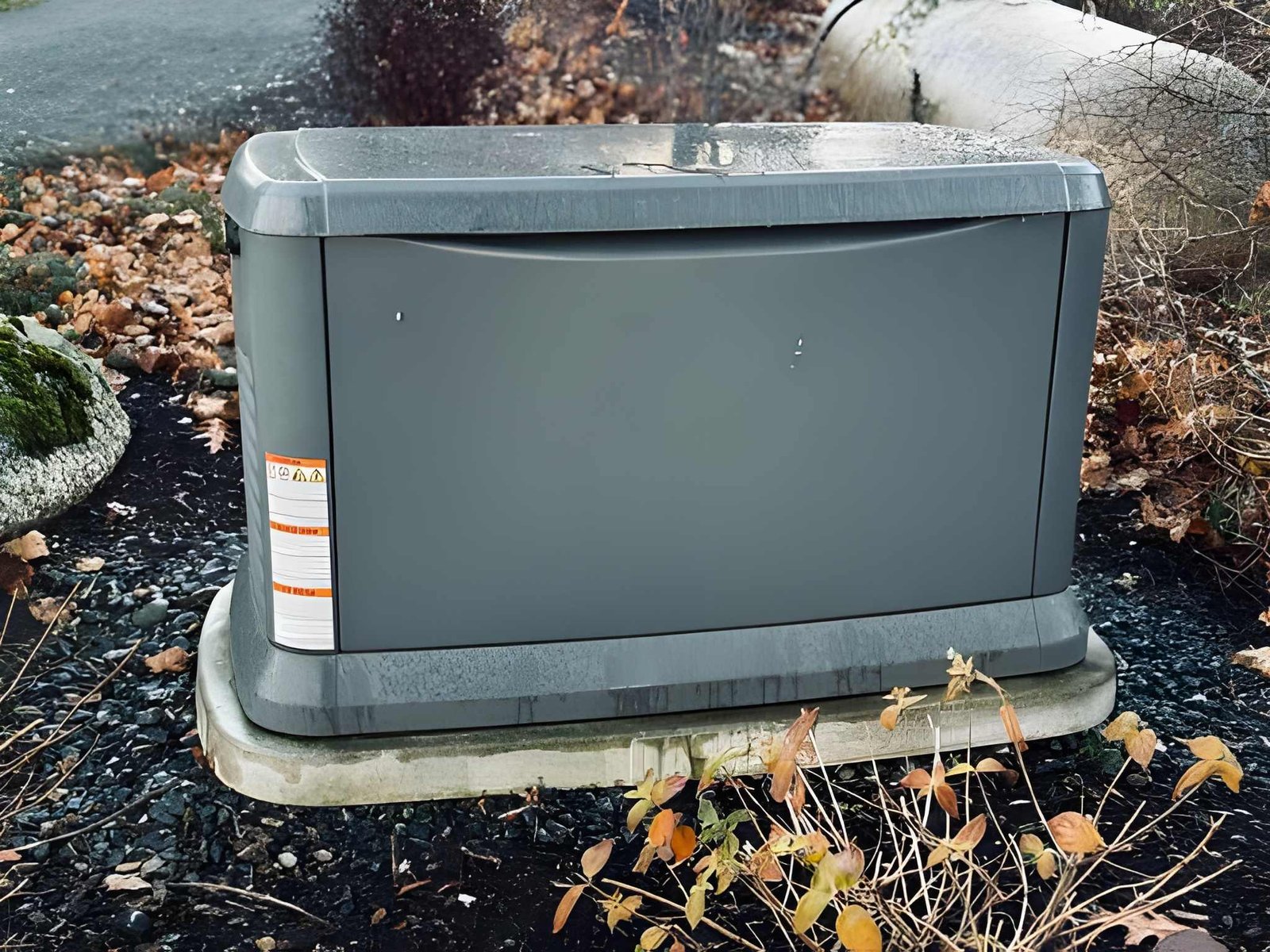
A standby generator is a permanently installed unit that starts automatically when utility power fails. It is usually fueled by natural gas or propane and connects to your electrical system through a transfer switch. Not every home need one, but several situations make it worth serious consideration.
Signs a Standby Generator May Be Worth It
- You experience outages more than once or twice a year, or each outage lasts several hours.
- Someone in your household relies on medical equipment such as an oxygen concentrator or a CPAP machine.
- Your home has a sump pump, and a failure during spring thaw could cause flooding.
- You live in a rural or semi-rural area where repairs can take longer.
- You work from home and need reliable power and internet equipment.
- You have a well pump, so no power means no running water.
- Winter outages would leave your home without heat, risking frozen pipes.
Situations Where You May Not Need One
If outages in your area are rare and short, a battery backup for key devices or a properly used portable generator may be enough. A standby system is a significant investment, so it should match a real need rather than a vague worry.
Standby Generators vs Portable Generators
Many homeowners start by comparing the two options. The table below summarizes the main differences.
|
Feature |
Standby Generator | Portable Generator |
|---|---|---|
|
Installation |
Permanent, outside the home | None, moved as needed |
|
Start-up |
Automatic within seconds |
Manual, including fueling |
| Fuel source | Natural gas or propane line |
Gasoline or propane tank |
| Typical output | Often 8 kW to 22 kW or more |
Often 2 kW to 8 kW |
|
Connection |
Transfer switch wired to panel | Extension cords or a manual inlet |
|
Runtime |
Long, as long as fuel supply continues | Limited by tank size |
|
Upfront cost |
Higher |
Lower |
| Maintenance | Scheduled servicing |
Basic upkeep and fuel storage |
| Safety considerations | Fixed placement away from openings |
Must be used outdoors, away from windows |
Portable generators carry a real carbon monoxide risk when run too close to a house or inside a garage. A permanent unit that is installed correctly reduces that risk, because placement and clearances are set during installation.
What Can a Standby Generator Power?
Generators are sized by electrical load, not by house size alone. Some homeowners choose a smaller unit that runs only essential circuits. Others choose a larger unit that can support the whole house.
Common essential loads include:
- Furnace blower and thermostat
- Refrigerator and freezer
- Sump pump and well pump
- Lighting and outlets in main living areas
- Internet router and home office equipment
- Garage door opener
Larger loads such as central air conditioning, electric dryers, electric ranges and electric water heaters require more capacity. An electrician will add up the running and starting loads of each appliance to recommend a suitable size.
What a Standby Generators Installation Works in Barrie
Standby generators installation involves more than placing a unit beside the house. In Barrie, the electrical portion must be completed by a licensed electrical contractor and is subject to Electrical Safety Authority (ESA) requirements.
Step 1: Load Assessment and Site Review
The electrician reviews your electrical panel, your main service size and the appliances you want to support. This is also when the condition of your existing system is checked. If your panel is full, outdated or near capacity, electrical panel installation or an upgrade may be recommended before a generator is added.
Step 2: Choosing the Location
The unit is installed outdoors on a stable pad. Local codes and manufacturer instructions set minimum distances from windows, doors, vents and property lines. Access for servicing and good airflow also matter.
Step 3: Transfer Switch and Wiring
The transfer switch is a critical safety device. It isolates your home from the utility grid when the generator runs, which protects utility workers and prevents damage to your equipment. It can be wired to the whole panel or to a smaller set of selected circuits.
Step 4: Fuel Connection
Natural gas units connect to the existing gas supply if its capacity is sufficient. Propane units need a tank sized for the expected runtime. A licensed gas fitter handles this work.
Step 5: Permits, Inspection and Testing
An ESA notification or permit is required for the electrical work, and an inspection follows. After approval, the system is tested under load so you can confirm it starts and transfers power as expected.
What Does a Standby Generator Cost?
Costs vary widely. The unit size, transfer switch type, fuel connection, site conditions and any panel upgrades all affect the final figure. Many installed systems fall somewhere between several thousand dollars and well over ten thousand. The most reliable way to get a realistic number is to request a written estimate after an on-site assessment.
Ongoing costs are modest by comparison but still matter. Most manufacturers recommend annual servicing, including oil and filter changes, battery checks and a test run. Many homeowners pair this with an electrical preventive maintenance service, so the generator, transfer switch and panel are checked together.
How to Hire an Electrician in Barrie for Generator Work
If you decide to move forward, choosing the right professional matters as much as choosing the equipment. When you hire an electrician in Barrie, consider these points:
- Licensing: Ask for the electrical contractor’s ESA/ECRA license number and verify it with the Electrical Safety Authority.
- Experience: Ask how many generator systems they have installed and whether they handle residential electric service as well as larger projects.
- Written scope: The estimate should list the unit, transfer switch, wiring, permits, inspection and testing.
- Permit handling: Confirm who files the ESA notification and arranges the inspection.
- Service after installation: Ask about maintenance options and who to call if the system does not start.
- Local presence: A local electrician in Ontario can respond more quickly if something needs attention after installation.
Backup Power for Businesses
Generator planning is not limited to houses. Shops, offices, clinics, farms and manufacturing sites also lose money when power is interrupted. Commercial electrician services can help assess critical loads such as point-of-sale systems, refrigeration, security and lighting.
Related Reading: Why Does Your Microwave Trip the Circuit Breaker?
If you are thinking about how much load your home’s electrical system can handle, it is worth reading Why Does Your Microwave Trip the Circuit Breaker? Solutions and Tips from Electrical Elite. The article explains that microwaves draw a lot of power quickly, so a circuit that is overloaded, shared with other appliances or poorly matched to the load may trip.
The post suggests simple checks first, such as unplugging other devices on the circuit and reviewing the load and recommends a dedicated circuit for high-demand appliances. It advises calling a licensed electrician in Barrie when breakers trip repeatedly or when upgrades such as a new panel are needed. The same principle applies to backup power: the system works best when your wiring and panel are sized for the load.
Final Thoughts
So, do you need a standby generator? If outages are frequent, long, or risky for your family or property, it is worth a closer look. Start with a list of the loads you cannot do without, have your electrical system assessed, and request a written estimate from a licensed contractor. A well-planned installation gives you dependable power when you need it, and a clear understanding of what you are buying.
Frequently Asked Questions
How long does a standby generator installation take?
Many residential installations take one to three days on site, but planning, permits, equipment delivery and inspection can stretch the overall timeline to several weeks.
Can a standby generator run my whole house?
It can if the unit is sized for your total load. Many homeowners prefer to power essential circuits only, which lowers the required size and cost.
How often does a standby generator need servicing?
Most manufacturers recommend yearly servicing, plus a short automatic self-test, often weekly. Following the manual for your specific model is important.
Is a portable generator a safe alternative?
It can be, if used outdoors, away from openings, and connected correctly. Never plug a portable unit into a wall outlet, and never run it in a garage or enclosed space.
Should I get an electrical inspection before installing a generator?
It is a good idea. An inspection can reveal panel capacity limits, outdated wiring or grounding concerns that should be fixed first.